There's No Single Official Fishin Frenzy Website—Here's Why That Matters
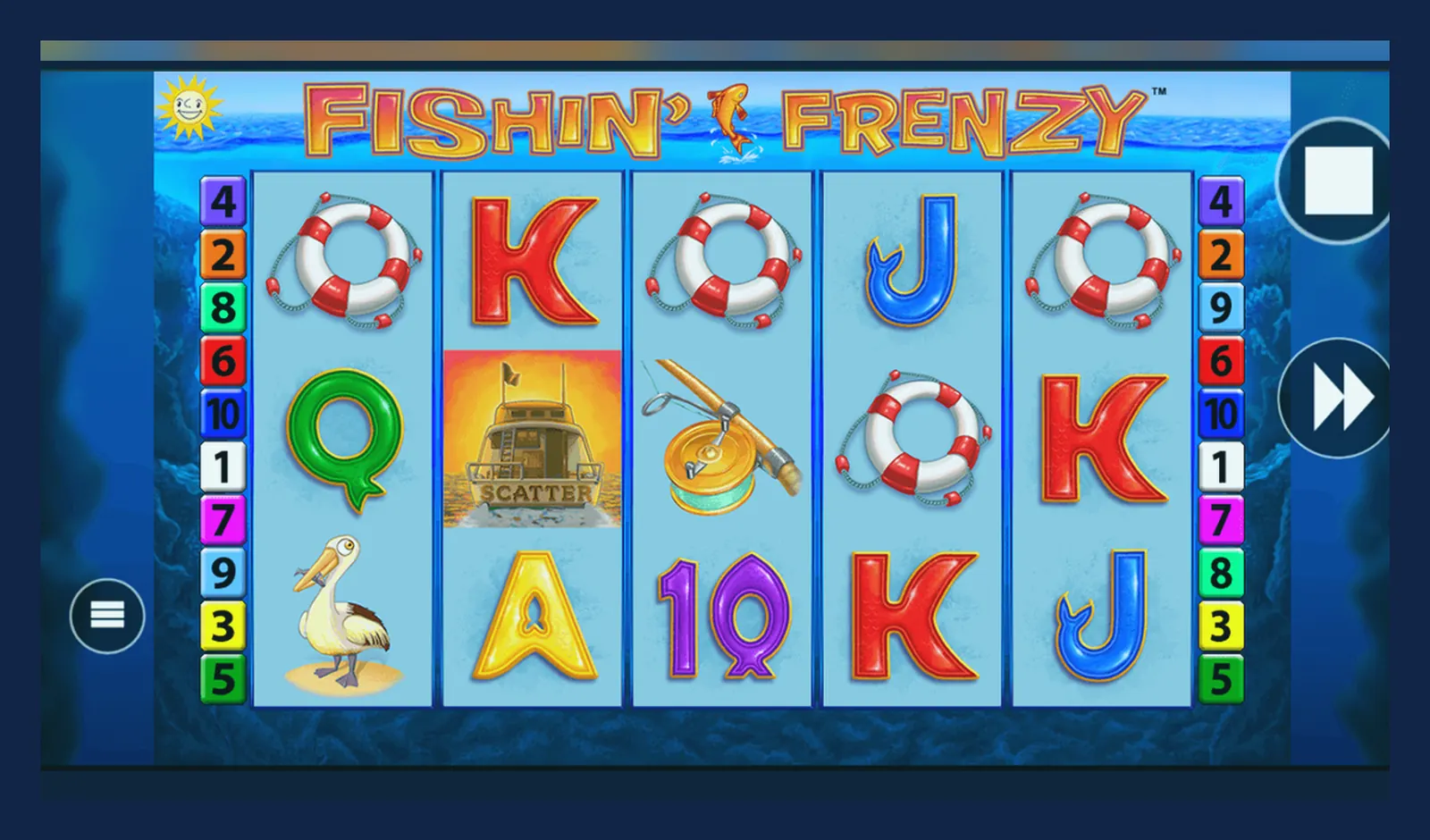
Mark had been playing Fishin Frenzy for three months before he realised something: the site he started on wasn't the same as the one a mate recommended. Both looked official. Both had the game. Neither was a fraud, but Mark realised he'd never actually checked whether either was licensed. That's the honest starting point for this page.
Fishin Frenzy is a game. It's not a website. It's made by a software provider and licensed to dozens of operators across the UK. Each one is a separate business, and each one must hold its own UKGC remote gambling licence. There is no single 'official Fishin Frenzy site' because the game isn't tied to one operator—it's a product sold to licensed casinos, just like you'd find the same slot machine in different betting shops.
What 'Official' Actually Means Here
The word 'official' can mean three things, and it's worth separating them. First, the game itself is official when it comes from Reel Spins (the provider) and hasn't been tampered with. Second, an operator is official when it holds a current UKGC remote licence—that's the regulator's stamp. Third, a clone or unlicensed copy is unofficial and illegal to advertise in the UK. Mark's confusion wasn't unusual: he thought one operator name meant one official place to play. It doesn't work that way. The game is official. The operator—any operator—is where you choose to trust your money.
Licensed operators are all equally legitimate in the UK. Betfair, Sky Bet, William Hill, Paddy Power, and smaller independents all offer Fishin Frenzy to UK players. They're competing on welcome bonuses, rewards, user experience, and customer service—not on which one is 'more official'. Your job is to check that whoever you're playing with holds a licence, not to hunt for a mythical single official site.
Six Steps to Verify You're on a Licensed Operator
Here's how to check in about sixty seconds. This is the same process Mark should have done from the start.
- Scroll to the footer of the website you're on and look for a UKGC licence number. It starts with an eight-digit code (e.g., 39xxx123). If there's no footer licence number, leave the site.
- Open the UK Gambling Commission public register in a separate tab. (Search for 'UKGC register' in any search engine—don't use a link from the site itself).
- Enter the operator name or licence number into the register's search box and wait for results.
- Match the licence number from the footer against the one in the register. They must be identical.
- Check the licence status: it should say 'Active' or 'Licence Condition in Place'. If it says 'Ceased', the operator is no longer licensed.
- You can now deposit and play with confidence. Bookmark this operator, and repeat the check if you switch sites.
Your Account: What You Need and What It Protects
Every licensed operator requires an account. That's not a weakness—it's protection. Your account is where affordability checks, deposit limits, and self-exclusion tools live. It's also where the operator keeps a record of your money in and out, which protects both of you if a dispute ever arises.
When you sign up, you'll be asked for your name, date of birth, address, and contact details. Before your first withdrawal, you'll need to upload proof of identity (passport, driving licence) and proof of address (recent utility bill or bank statement). This is KYC—Know Your Customer—and it takes 24 to 48 hours. It feels like a delay, but it's a legal requirement, and it stops money laundering. That first withdrawal is the longest wait you'll have.
One important rule: the payment method you use must be in your own name. Credit cards have been banned for gambling since 2020, so you can't use someone else's card or a card in a different name. Debit cards, PayPal, Apple Pay, Open Banking, and paysafecard are all acceptable—as long as the account belongs to you. Withdrawals go back to the same method: a few hours to 24 hours for e-wallets, same day to two working days for bank transfers, or 1–3 working days for debit card refunds.
Stake Caps and Affordability Checks: What Stops You Betting Too Much
The UK has legal stake limits on slots. If you're 25 or older, the maximum stake per spin on Fishin Frenzy is £5.00. If you're 18–24, it drops to £2.00 per spin. These aren't suggestions—they're enforced by the software. You won't be allowed to stake more.
Beyond stake limits, every licensed operator must offer deposit limits. When you set up your account, you can set a daily, weekly, or monthly cap on how much you can deposit. If you've deposited an average of £150 or more per month over your account lifetime, the operator must run affordability checks—they'll look at your credit history and spending patterns to flag whether you're betting more than you can realistically afford. These checks are triggered automatically; you don't ask for them.
If affordability checks suggest you're at risk, the operator has a duty to intervene. They may lower your stake limit further, require you to take a break, or restrict your account until you've spoken to their safer-gambling team. This isn't punishment. It's legal protection, and it's one reason playing on a licensed site is fundamentally different from playing anywhere else.
What to Do When Something Goes Wrong
Most problems get sorted quickly—a wrong balance, a technical glitch, a bonus that didn't land. Start by contacting the operator's customer service team. Licensed operators must respond to complaints within a specific timeframe and keep a record.
If the operator doesn't resolve it to your satisfaction, you have two paths. First, ask them for their complaint procedure—they're obliged to give you a formal response within eight weeks. Second, if you're still unhappy, you can escalate to the UK Gambling Commission's dispute resolution service. It's free, independent, and the UKGC backs their decision. The operator must comply.
For self-exclusion, use GAMSTOP. One registration blocks your account on every UKGC-licensed site for six months to five years—whatever period you choose. It's immediate and irreversible for that timeframe. If gambling is becoming a problem, this tool is often simpler than contacting each operator separately. After your exclusion period ends, you can re-register if you choose to, but GAMSTOP doesn't let you opt out early.
BeGambleAware offers free support and counselling for problem gambling—separate from the regulator and operator. Their advice is confidential and not recorded on your gambling account.
Red Flags That Tell You It's a Clone
Clones and unlicensed copies of Fishin Frenzy exist. They're illegal in the UK, and if something feels off, it probably is. Here's what to watch for.
- No UKGC licence number in the footer, or a number that doesn't match the register.
- The site offers 'demo' or 'free play' without asking you to log in first. Licensed UK operators almost always require age verification before you can access play money.
- A domain name that mimics a real operator but has a slight misspelling (e.g., 'fishinfrenxy' instead of 'Fishin Frenzy').
- Promises of guaranteed wins, rigged RNG 'hacks', or systems that beat the odds. The game's outcome is random, regulated, and unchallengeable—if someone claims otherwise, they're lying.
- No clear customer service contact details or no complaints procedure when you ask for it.
- Payment methods that are anonymous or don't require your real name—licensed operators won't accept these.
- Extremely generous welcome bonuses with impossible terms (e.g., 5,000 times your stake to withdraw). Weygers exist; they're real; and they're designed to be difficult to clear.
What 'Official' Status Doesn't Guarantee
Being licensed and official protects you from fraud, money theft, and unfair terms—but it doesn't guarantee you'll win money. That's the distinction Mark had to learn. Fishin Frenzy is a slot machine. It has a theoretical return to player (RTP)—a percentage of stakes paid back over millions of spins—but in any single session, you can lose money. Often.
An official, licensed operator gives you transparency, a fair game, and legal recourse if something goes wrong. It doesn't change the maths. Slots are designed so that over time, the operator makes money and players lose some of theirs. That's how the business model works. The licence ensures the game is genuinely random, not rigged against you in a hidden way—but randomness still means losing streaks are normal. Volatility is built in.
Operator terms and bonuses change. A welcome offer listed here today might not exist next month—conditions vary by operator and change often. Always check the current terms on the site itself before you deposit. Stake caps and affordability checks are fixed by regulation and won't change; everything else can.
FAQ
Is there one official Fishin Frenzy website I should use?
No. Fishin Frenzy is a game, not a website. It's hosted on dozens of licensed UK operator sites. Each operator is separate and equally official as long as they hold a current UKGC licence. Check the licence number in the footer against the UKGC register—that's your only verification method.
What happens if I deposit on an unlicensed site by mistake?
Your money isn't protected. Unlicensed operators don't have to follow affordability checks, deposit limits, or complaint procedures. You have no legal recourse if the site disappears or refuses to pay you out. Avoid them entirely by verifying the UKGC licence before you deposit anything.
Can I use someone else's debit card or PayPal account to fund my betting?
No. The payment method must be in your own name. Credit cards are banned anyway (since 2020). Using someone else's card is a breach of the operator's terms and gives you no legal protection if a dispute arises.
How long does the first withdrawal take?
48 hours or more, because you have to upload proof of identity and address first. KYC checks take 24–48 hours. After that, withdrawals to an e-wallet take a few hours to 24 hours; bank transfers take same day to two working days. Your first cashout is always the longest.
What does GAMSTOP do, and can I cancel it early?
GAMSTOP is a self-exclusion tool that blocks your account on every UKGC-licensed site for six months to five years in one registration. It's immediate and irreversible for the period you choose. You can't cancel it early; you have to wait until the period ends to access betting again.